Get Drywall Water Damage Repair
Drywall water damage repair services help property owners fix issues caused by leaks, flooding, or moisture, involving drywall replacement, mold removal, and restoration projects.
Water damage to drywall can lead to structural issues, mold growth, and increased repair costs if not addressed promptly. Property owners in the area may seek professional drywall water damage repair to restore safety and appearance, especially after leaks, flooding, or plumbing failures. Exploring options for local contractors ensures that the right expertise is available to handle the specific needs of each property, whether residential or commercial.
Understanding the benefits of working with experienced service providers can help property owners plan their repair projects with confidence. Comparing local drywall repair specialists allows for informed decisions based on reputation, experience, and scope of services. Keep reading to discover how connecting with trusted contractors can make water damage repairs more straightforward and effective.
- Drywall Water Damage Repair - when water leaks or flooding cause drywall to swell or develop stains.
- Water-Related Drywall Restoration - following plumbing issues or roof leaks that result in drywall deterioration.
- Moisture Damage Drywall Fixing - after high humidity or condensation leads to mold growth and drywall warping.
- Flood Damage Drywall Repair - in cases of significant floodwaters compromising interior wall structures.
- Leaking Pipe Drywall Repairs - when plumbing leaks create hidden or visible water damage behind walls.
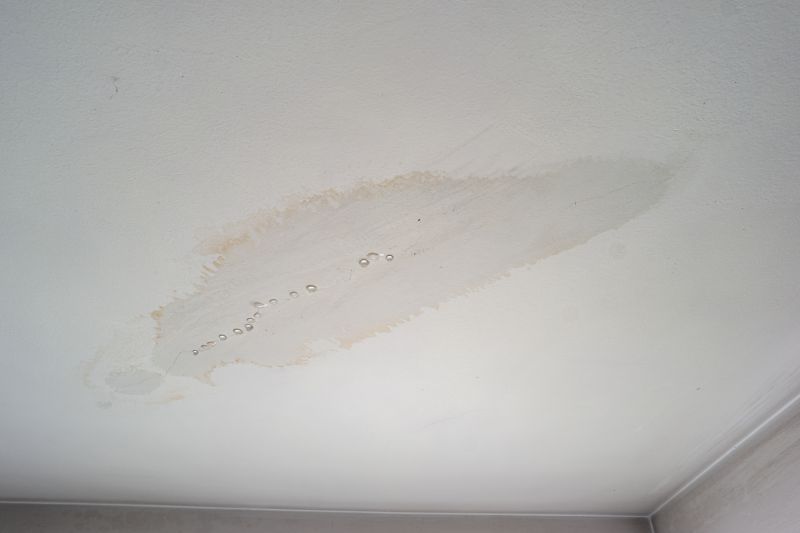
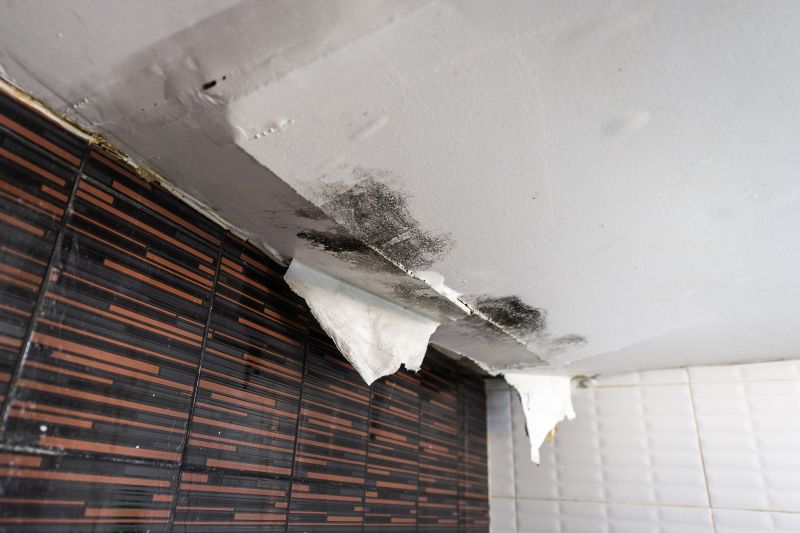
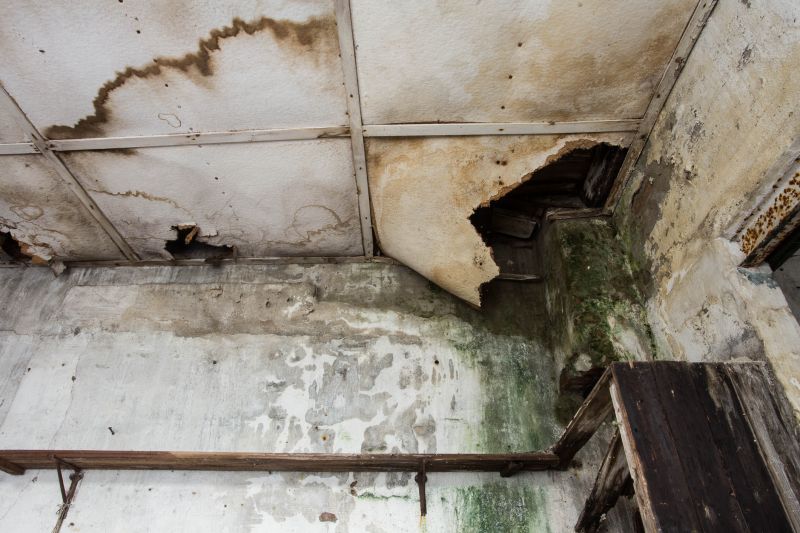
Drywall water damage repair services focus on restoring walls affected by excess moisture or leaks. When water seeps into drywall, it can cause swelling, warping, or softening, which compromises the integrity and appearance of interior walls. Skilled service providers assess the extent of the damage, remove compromised drywall, and replace it with new material. This process often involves drying out the affected area thoroughly before installing new drywall and finishing it to match the surrounding surface. Proper repair helps prevent further issues such as mold growth or structural deterioration that can result from lingering moisture.
This service addresses a variety of problems caused by water intrusion, including staining, peeling paint, musty odors, and even mold development. Water damage may occur from plumbing leaks, roof leaks, burst pipes, or appliance failures. If left untreated, water can weaken drywall, cause paint or wallpaper to bubble, and create an unsightly or unsafe environment. Drywall water damage repair aims to eliminate these issues, restoring the wall’s appearance and preventing future problems related to moisture. It is an essential step in maintaining a healthy, safe, and visually appealing home or property.
The types of properties that typically require drywall water damage repair include residential homes, apartment buildings, condos, and small commercial spaces. Homes with basements, attics, or older plumbing systems are especially vulnerable to water damage. Commercial properties such as offices, retail stores, or restaurants may also encounter water-related issues that impact drywall. Regardless of property type, timely repair is crucial to prevent secondary damage and to preserve the structural integrity of interior walls. Local contractors are equipped to handle projects of varying sizes, from minor patches to extensive replacements.
Homeowners often seek drywall water damage repair services when they notice visible signs of water intrusion or suspect hidden issues behind walls. Common indicators include water stains, mold growth, peeling paint, or a musty smell. If drywall feels soft or swollen to the touch, it may be a sign of ongoing moisture problems that need professional attention. Contacting local service providers can help identify the source of water, properly repair the damage, and ensure the area is thoroughly dried and restored. This proactive approach helps maintain a safe and attractive living environment.
The overview below groups typical Drywall Water Damage Repair projects into broad ranges so you can see how smaller, mid-sized, and larger jobs often compare in your area.
In many markets, a large share of routine jobs stays in the lower and middle ranges, while only a smaller percentage of projects moves into the highest bands when the work is more complex or site conditions are harder than average.
Smaller Repairs - typical costs range from $250-$600 for minor drywall water damage repairs, such as small sections or patches. Many routine jobs fall within this middle range, depending on the extent of damage and materials needed.
Moderate Damage Restoration - larger, more involved repairs can cost between $600 and $2,000, especially for sections requiring removal, replacement, and refinishing. These projects are common for moderate water intrusion incidents.
Extensive Repairs - significant water damage affecting multiple drywall sections may range from $2,000 to $5,000 or more, depending on the size of the affected area and complexity of the work. Fewer projects reach into this higher tier, but they are necessary for severe cases.
Full Wall or Full Room Replacement - complete drywall replacement due to water damage can exceed $5,000, especially in large spaces or when combined with other repairs. Such projects are less frequent but essential for extensive, ongoing issues or structural concerns.
Actual totals will depend on details like access to the work area, the scope of the project, and the materials selected, so use these as general starting points rather than exact figures.
Ceiling Water Damage Repair - involves similar skills in drywall removal, water mitigation, and moisture assessment as drywall water damage repair projects.
Bathroom Mold Remediation - requires expertise in moisture control, drywall inspection, and repair to address mold caused by water intrusion.
Basement Flood Restoration - includes water extraction, drywall drying, and repair work that aligns with services for drywall water damage issues.
Kitchen Leak Repair - involves identifying and fixing plumbing leaks, as well as repairing drywall affected by water exposure.
Attic Insulation and Moisture Control - focuses on managing moisture levels and repairing drywall surfaces impacted by water leaks or condensation.
Exterior Siding and Wall Repair - requires assessing water infiltration points and restoring drywall or wall materials affected by water damage.
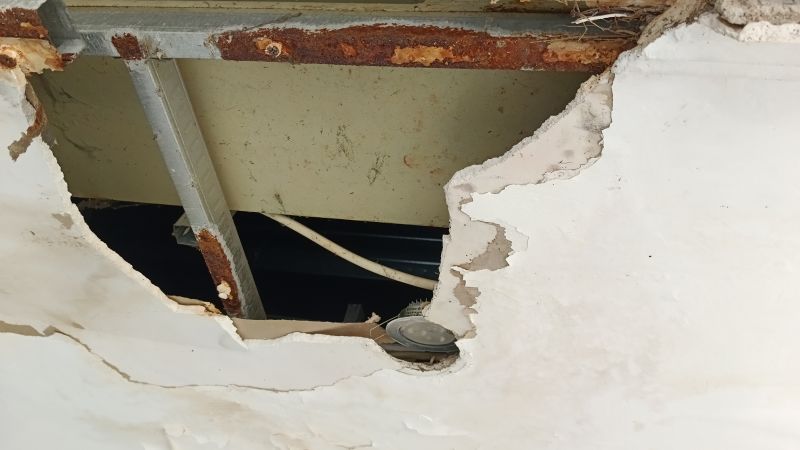
When evaluating service providers for drywall water damage repair, it’s important to consider their experience with similar projects. Homeowners should inquire about how many water damage repairs they have completed and whether they have handled situations comparable to their own. An experienced contractor will be familiar with the common challenges of water-affected drywall and know the best practices for restoring the affected areas effectively. This background can help ensure the repair work is performed efficiently and with attention to the specific needs of water-damaged drywall.
Clear written expectations are essential for a smooth repair process. Homeowners should seek out service providers who can provide detailed descriptions of the scope of work, including the steps involved in removing and replacing damaged drywall, as well as any necessary steps for mold prevention or additional repairs. Having a well-defined plan helps prevent misunderstandings and ensures that everyone is on the same page about what the project entails. Reputable local contractors will be transparent about their procedures and provide documentation that outlines the work to be performed.
Good communication and reputable references are key factors when selecting local pros for drywall water damage repair. Homeowners should look for providers who are responsive to questions and willing to discuss their approach to the repair process. Additionally, asking for references or reviews from previous clients can offer insights into the quality of work and reliability of the contractor. While the platform introduces homeowners to local service providers, it’s important to verify that the pros have a history of dependable service and clear communication, which can contribute to a more positive and stress-free repair experience.
Property owners use Drywall Water Damage Repair services for practical projects around their homes and businesses. This guide focuses on everyday jobs and straightforward project options.
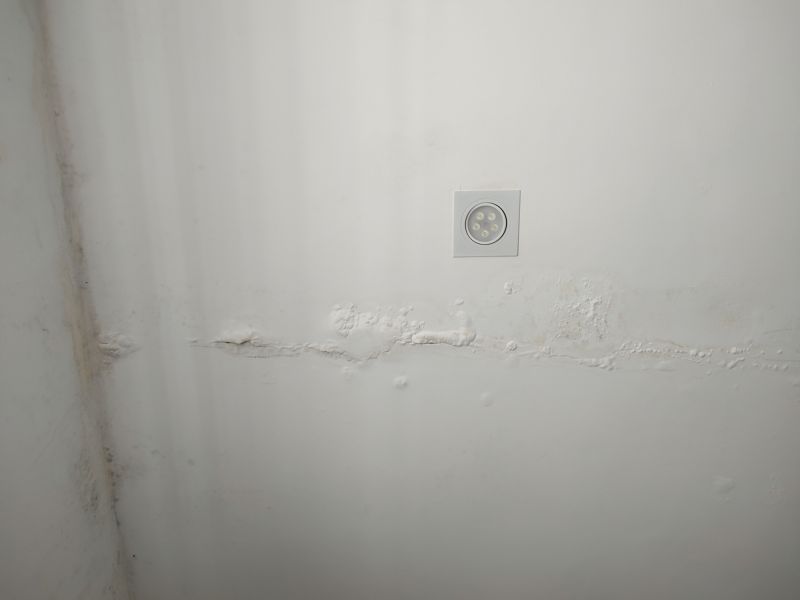
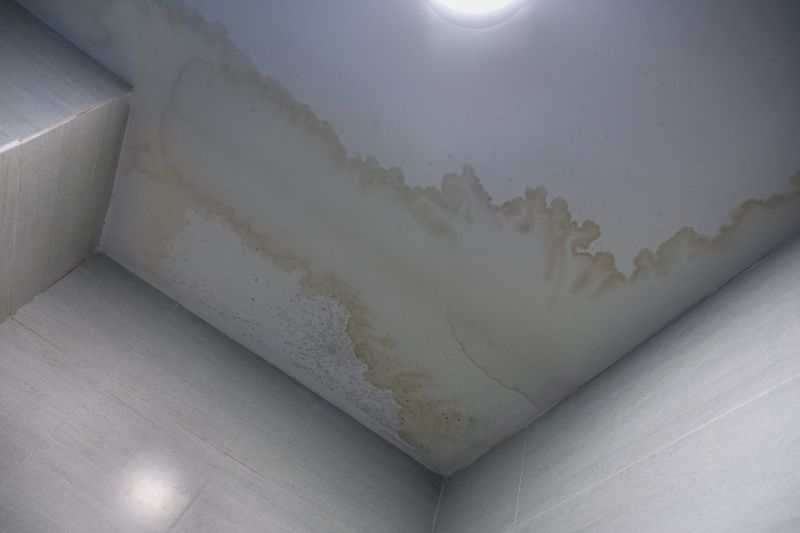
Drywall water damage repair is a common need in many properties, often resulting from plumbing leaks, roof leaks, or accidental spills. Homeowners and property managers in the area might seek out local contractors to address issues like stained or swollen drywall, mold growth, or peeling paint caused by excess moisture. These professionals can assess the extent of water intrusion, remove damaged drywall, and restore walls to their original condition, helping to prevent further damage and maintain the integrity of the property.
Situations such as recent flooding, burst pipes, or ongoing leaks can leave drywall compromised and vulnerable to mold and structural issues. Property owners may look for local service providers who specialize in water damage repair to handle these urgent or ongoing problems. Experienced contractors can provide the necessary repairs to dry out affected areas, replace damaged materials, and ensure the space is properly restored, supporting the property's safety and appearance.
What causes drywall water damage? Water damage to drywall can result from leaks, plumbing issues, roof leaks, or high humidity levels that lead to moisture buildup.
How can I tell if my drywall has water damage? Signs include staining, discoloration, warping, peeling paint, or a musty odor indicating moisture presence.
What are the risks of ignoring drywall water damage? Ignoring water damage can lead to mold growth, structural deterioration, and further property damage over time.
What repair options do local contractors offer for water-damaged drywall? Service providers typically assess the damage, remove affected drywall, dry the area, and replace or repair the drywall as needed.
Can drywall water damage be prevented? Proper maintenance, prompt repair of leaks, and controlling indoor humidity can help prevent drywall water damage.
Identify water-damaged drywall areas - Property owners can use this service to detect and assess water damage in walls after leaks or flooding.
Restore damaged drywall surfaces - Local contractors can help replace or repair drywall affected by water to maintain the integrity of interior walls.
Prevent mold growth and further damage - Professionals can treat water-damaged areas to reduce the risk of mold and protect the property’s structure.
Improve indoor air quality and safety - Repairing water-damaged drywall can contribute to healthier indoor environments by removing compromised materials.
If you are thinking about Drywall Water Damage Repair for a property, this guide is meant to help you understand the work, the typical project types, and how different options might fit your plans.
When you are ready, you can use the quote form on this page to share a few details about your project. From there, local pros can review the basics and respond with options that match what you have in mind.